Our Applied Movement Neurology (AMN) assessment process can precisely 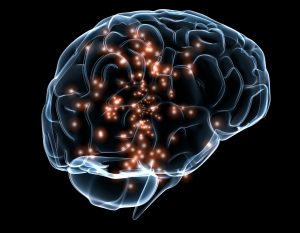 identify where communications between brain and the body are miss calibrated and correct it with manual techniques and specific movement drills. Couple of different assessment protocols can be utilized, depending on clients individual presentation.
- Neuro-skeletal screen – allows the clearing of physical symptoms of the neuromuscular system more specifically related to the client’s pain complaints or movement restriction. Assessment involves checking the various relationships between different body systems, including: muscle – organ relationship, muscle – endocrine relationship, muscle – spinal cord relationship, fascia, cranial nerves and cranial sutures involvement.
- Humunculus and visualization – further examination technique of particular pathways involved in painful motion, movement control and muscle facilitation. This screening protocol allows the practitioner to check also for faulty communication between our natural analgesic pathways (central pain processing pathways ) and the painful area in question
- Emotional Motor System (EMS) calibration – The emotional motor system is a completely separate motor system to the volitional motor system. Due to its intrinsic modulatory role with the Autonomic Nervous System it is involved in the stress response, sympathetic and parasympathetic arousal.
The EMS isn’t directly involved in emotional responses. Memories about emotion and emotional memories provide the emotional context which may be associated with a bodily dysfunction. Pelvic floor problems such as incontinence, poor breathing patterns, groin or lower back pain and reproductive organs problems can benefit from calibrating EMS. - Sleep protocol – Have you ever suffered from insomnia? If so, you’re aware how lack of sleep affects health and wellbeing. This protocol is extremely impactful in helping people regaining back their sleep. This option serves as separate treatment and may require few sessions. It involves screening and recalibration of structures relevant to your Circadian biology and sleeping patterns. This may include:
- Recalibrating the body clock
- Assessing and normalising the ‘switches’ of sleep and wake
- Correlations with other neurological systems
- Behavioral & Nutritional adaptations to sustain entrainment to light and dark cycles
How does the process work?
Our nervous system caries bioelectrical signals which our brains read, respond to and learn from. If those impulses are too low, our nervous system struggles to read them and related physiological functions are affected.
- The AMN system allows a practitioner to assess the underlying neurological systems that control your muscles and how your body deals with pain, why it is dealing with pain and, sometimes, whether it should be in pain.
- Once we have built up a picture composed of the client’s pain complaints, historical and current lifestyle factors and events, and correlated these to the neurological findings, we are able to pinpoint and reduce the excess charge that is held within the electrical circuits of your nervous system with relation to your symptoms.
- By doing this, we can help the brain to communicate with the body more efficiently which tends to end up in clients walking out of the door without the pain and dysfunctions they came in with.
The result?
1. Normalised function
2. Improved strength
3. Reduced or eliminated pain
NEURO SESSIONS OPTIONS AND PRICING
Neuro-Skeletal pain or movement complaint
80 € – 1st session
Involves through assessment and treatment. Any of the protocols can be utilized during the session depending on individual needs. If required, subsequent sessions cost 60€. Allow minimum of 90 minutes for the first appointment.
Sleep calibration – 50€ per session
Dedicated for individuals suffering from sleep deprivation. Viofor-therapy on the whole body is included in that session Allow 1 hour for the appointment.
CONTACT DETAILS
Phone: 085 757 8156
EMAIL: info@neurotao.ie